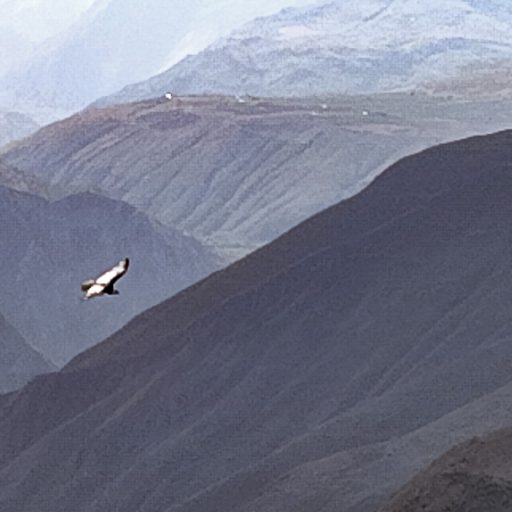
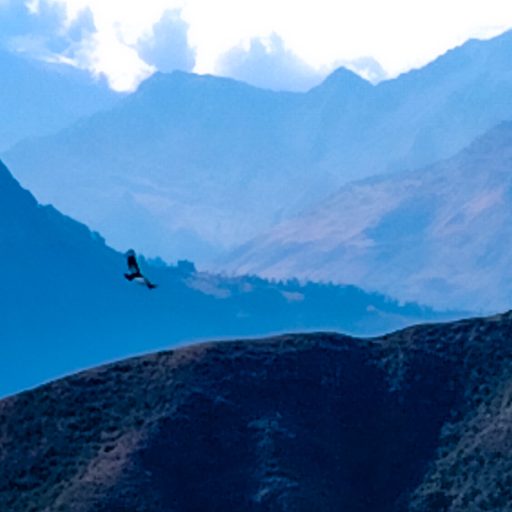
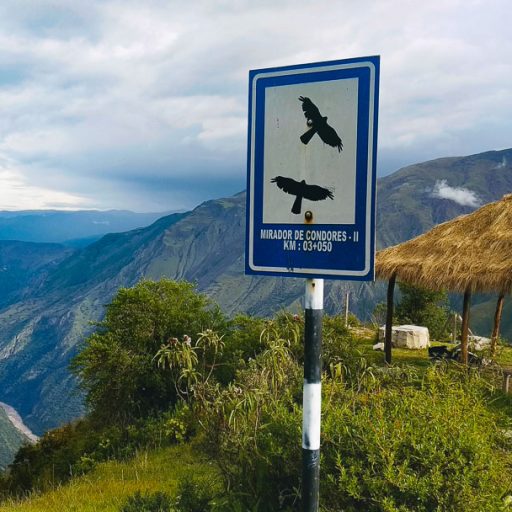
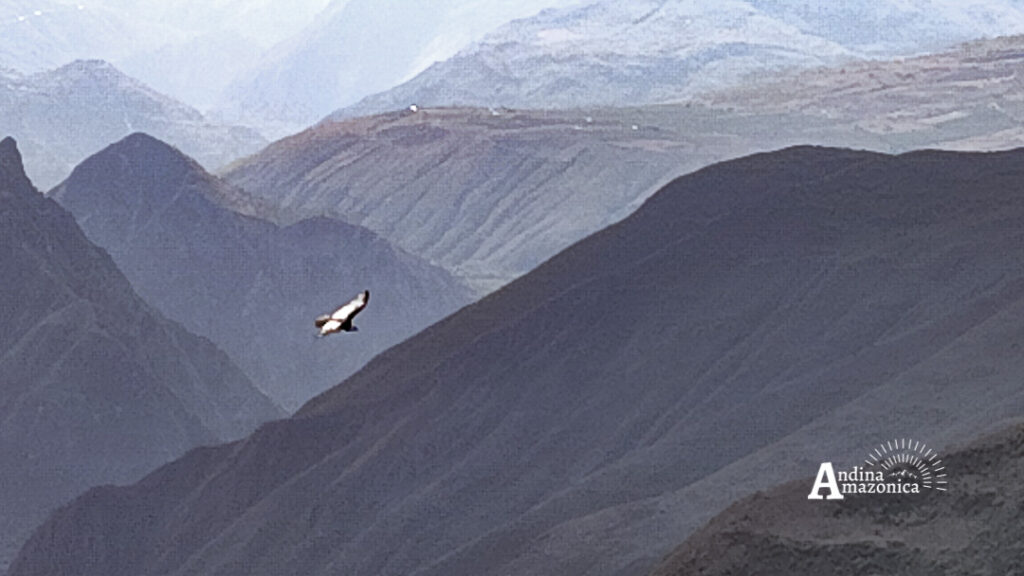
In South America, we are fortunate to have the Eastern and Western Cordillera of the Andes; where the mountains, its precipices, impenetrable rock formations and clear skies are the refuge and habitat of the largest flying bird in the world, “the Condor”, with an approximate wingspan of 3 mts (9. 8ft), considered a majestic and sacred bird since pre-Inca times, sacred for representing the messenger of the Apus (sacred mountains) and the Hanan Pacha (world above, cosmic world); a sacred spiritual element in Andean cosmology to this day.
The Andean Condor, since colonial times until today, is considered an endemic species, in danger of extinction; first, because man is invading its habitat, destroying and populating more and more the area where it is born, grows and develops. Second, due to false popular beliefs, where it is said that the cause of death of domestic animals such as sheep, chickens, pigs, etc., is because the condor hunts and kills them for food, being this version false, because this bird is not a predator, it is rather a scavenger; this makes that the settlers without previous knowledge manage to hunt this bird and kill it. Another reason for the extinction of the condor is the presence of predators such as the puma or foxes that may kill the young of these birds. Finally, in some distant populations of the Andes, they still celebrate a traditional festival called “Yawar Fiesta” or “blood feast”, where the main actor is the Andean condor, for this, the villagers must go in search and hunt this bird to make it participate in the feast, often getting to die by the sudden movement and stress to which the condor is exposed to the condor.
Although there are many other places where you can also appreciate the flight of this magnificent bird, we want to highlight and highlight the beautiful “Community of CHONTA”, considered as the Sanctuary of the Condor, which is located only 98 km (60.89 miles) northeast of the city of Cusco, an average of 2 hours driving to reach the checkpoint where the hike begins.
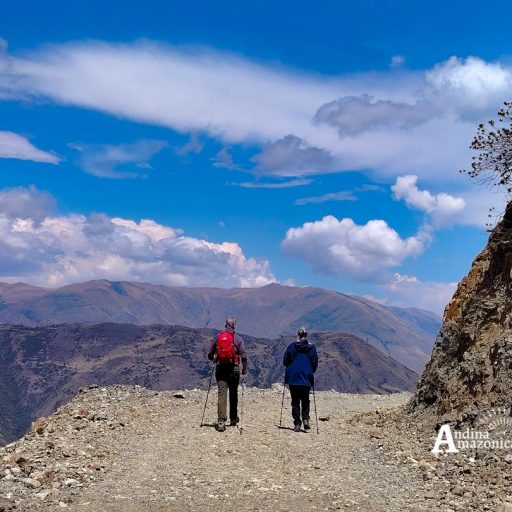
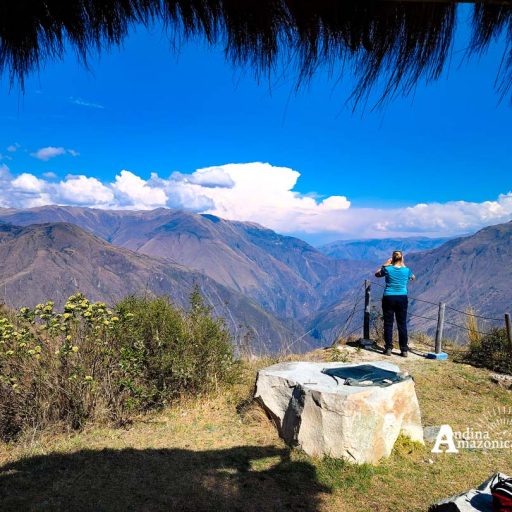
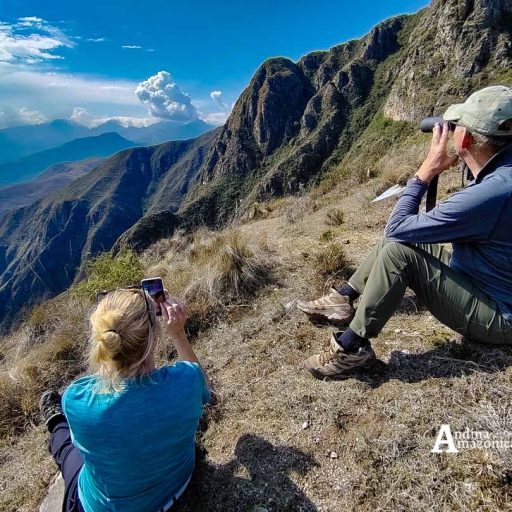
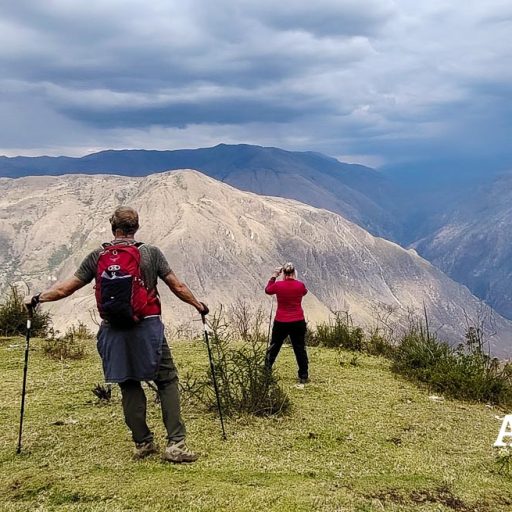
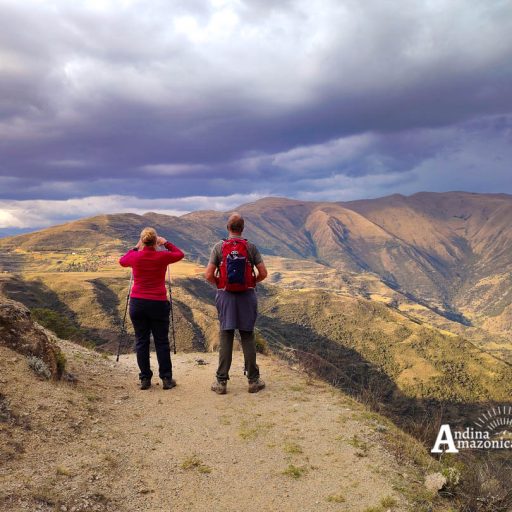
This tourist offer is a new alternative for all those who like not so demanding hikes, but that their tour is different, motivating, in contact with nature and also that the space does not concentrate a large number of visitors. It is an excellent alternative, following a different route to the conventional and traditional tours; especially for those who love bird watching, since the condor is not the only bird in the area. It is also possible to observe hawks, hummingbirds, flower-pickers, fly-catchers, canasteros, thorn-tails, etc.
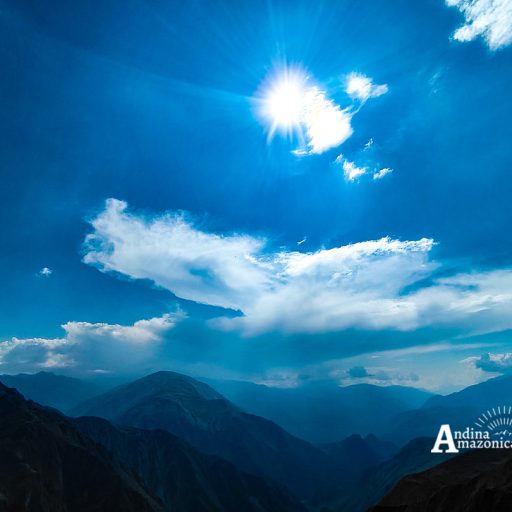
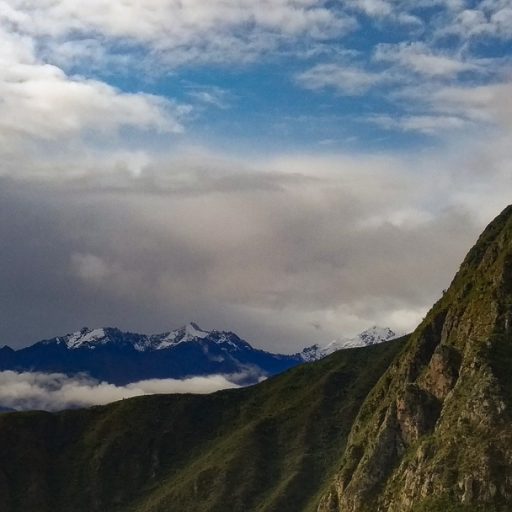
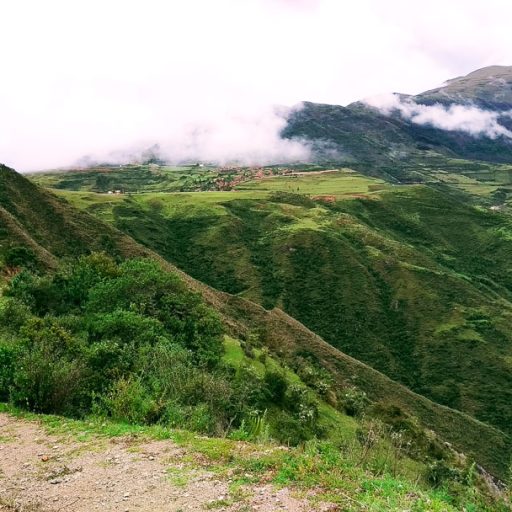
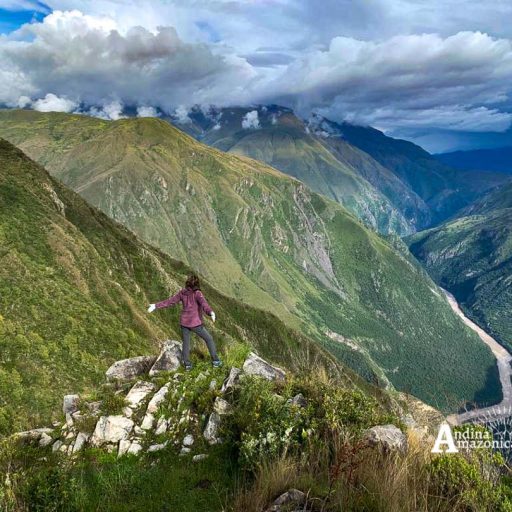
The community of CHONTA is embedded between the mountains and on the Apurimac River canyon, this canyon has an average of more than 1,500 mts. (4,921 ft) above the river level, shows a place with an absolutely beautiful scenery, typical of the Peruvian Andes, with views of towering mountains, snow-capped peaks like the Salkantay and Humantay, irrigated fields and fed by rivers and streams throughout its route. All this scenery makes Chonta a special and sacred place that shelters the Andean condor where they nest, sleep, develop and reproduce.
Also en route to Chonta, we will be able to stop in archaeological places little visited like:
The Archaeological Complex of Tarawasi; located in the same town of Limatambo, considered in Inca times as a ceremonial and cult center, as well as a rest area; Tarawasi was built with terraces that show the work, polishing and perfect fitting of the lithic blocks, where the Inca architecture and the hydraulic system are the clear example of a compact and perennial civilization in time.
The Temple of QuillaRumiyoc; a place where you can appreciate and understand that our ancestors not only worshipped the Tayta Inti or Sun, but also the Moon or Mama Quilla, since she was the Yanantin (opposite but complementary) of the sun, representing the duality and feminine part of the Andean cosmic world. QuillaRumiyoc, is located in the district of Ancahuasi and the stop is necessary to be able to observe the work and polished in natural rock, because this space was very important for the Andean, to be able to observe the lunar cycle related to the agricultural activities. Also here we find a system of andenerías, hydraulic systems, Inca roads, ceremonial fountains, ushnus or ceremonial areas, petroglyphs and most importantly, a large rock carved with 7 phases (possibly the lunar phases) that would serve as an astronomical point of the ancient inhabitants.
The fruit farms of Limatambo; in Inca times, Limatambo was an area of great agricultural production, highlighting the production of fruit such as lucuma, aguaymanto, sugar cane, vegetables, etc.. Nowadays, we can make a short visit to one of the fruit farms where we can also observe and enjoy fruits such as the custard apple and especially the king of all fruits, “the avocado” or avocado, an export product from this district and that consolidates our country as one of the best productions of this fruit worldwide.
Activities: bird watching, adventure, trekking, hiking.
Difficulty level: 3 – 4
Maximum altitude: 4,200 m.a.s.l. (13,779 ft.)
Minimum altitude: 2,550 m.a.s.l. (8,366 ft)